
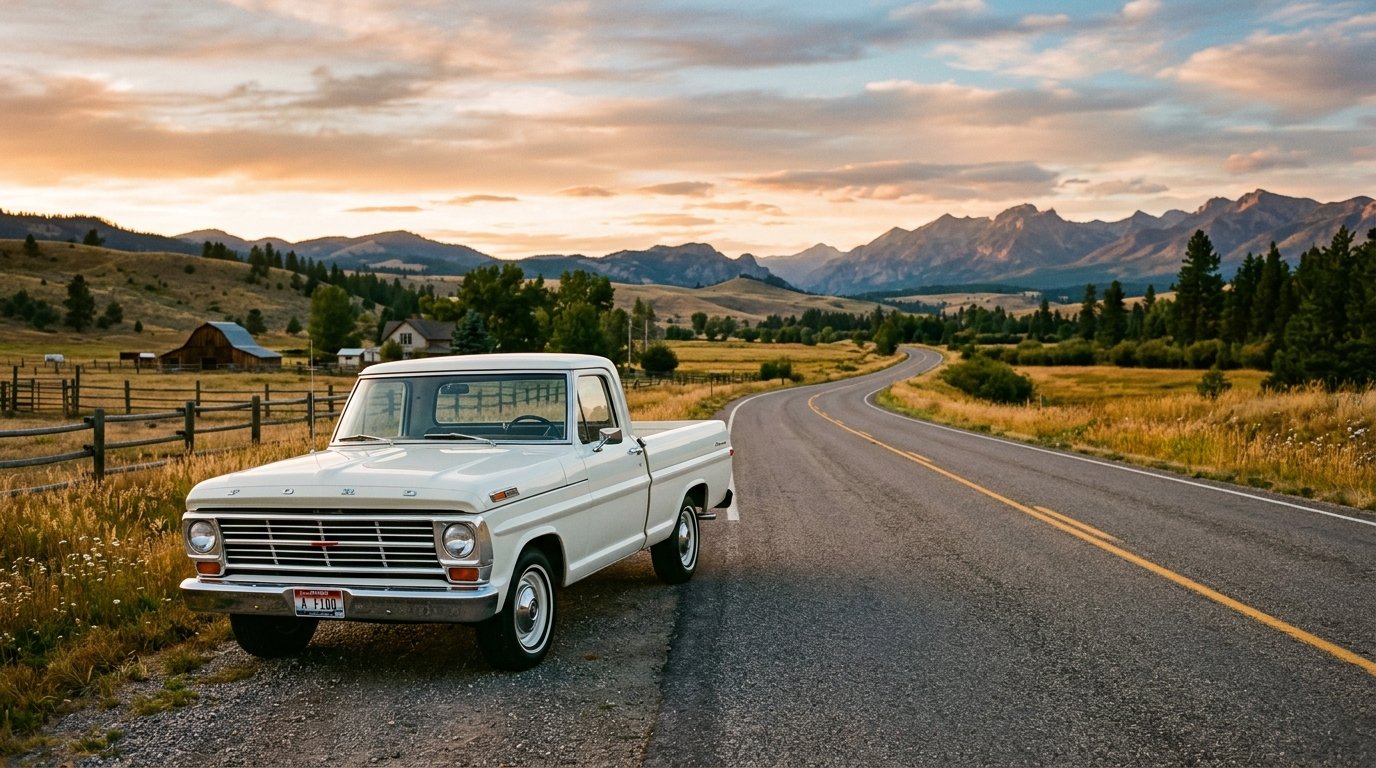
You spent years hunting down that 1967 Ford F100 or 1972 Chevy C10. You put real money into the restoration. The last thing you want is a claim payout based on depreciation that does not reflect a dollar of that work.
That is exactly what happens when collectors rely on a standard auto policy. This guide covers how classic pickup insurance works, what gaps competitors miss and what you need before calling for a quote.
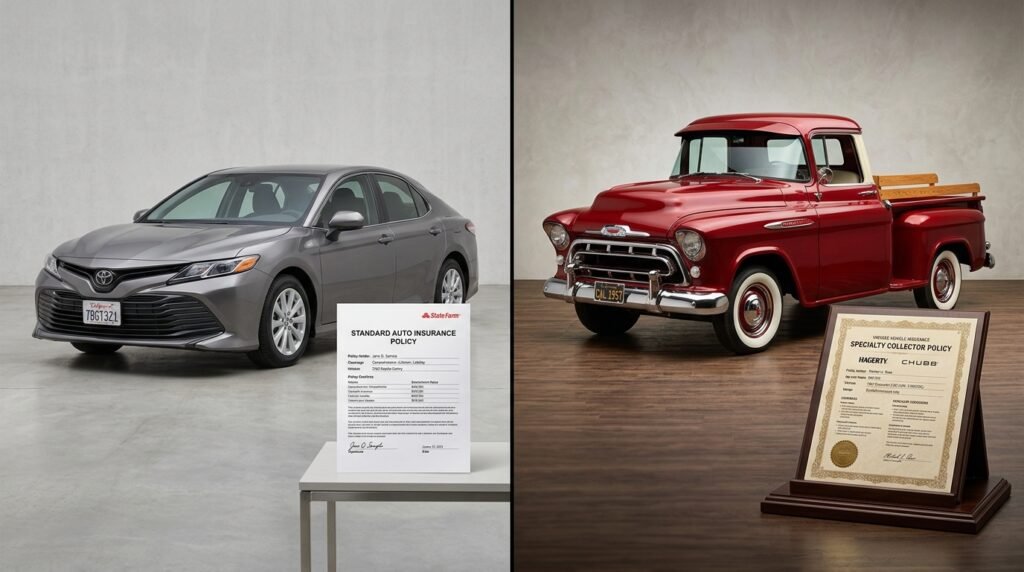
Standard policies pay actual cash value after a total loss. For a restored collector truck that number ignores your restoration entirely and pays what a worn, unrestored comparable sells for on the open market.
Classic pickup insurance locks in an agreed value upfront. You and the insurer set the number before the policy starts. If the truck is totaled or stolen, you receive that full amount with zero depreciation applied. That single difference is why specialty coverage exists.
If you also run commercial trucks, a commercial trucking insurance policy handles those separately from your collector coverage.
Insurers do not. Classic trucks often require:
Always confirm with your agent whether the carrier has experience specifically with vintage trucks and not just classic cars.
Age: Most carriers require 25 years or older. Some accept 15 to 20 year old trucks with documented collector value.
Condition: Free of major rust, body damage or missing parts. Maintained and presentable, not necessarily showroom perfect.
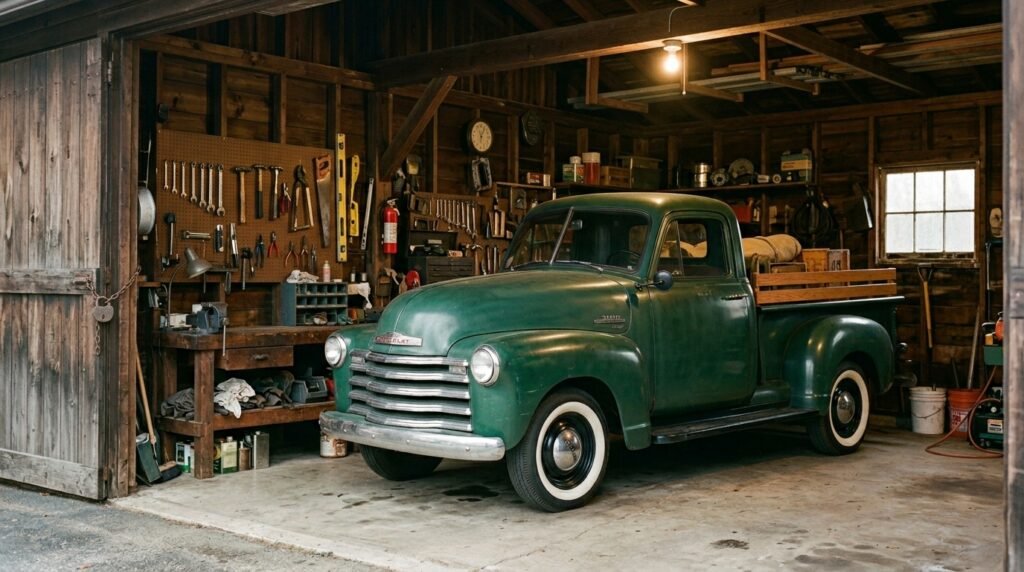
Storage: Locked garage or enclosed structure required. Street parking disqualifies most applications.
Mileage: Policies cap between 1,000 and 7,500 miles annually. Use is limited to shows, club events and pleasure drives.
Daily driver rule: You must own a separate everyday vehicle. If the classic is your only truck, most specialty carriers will decline. If you need short-term coverage for a secondary vehicle during that gap, temporary commercial vehicle insurance is a practical option.
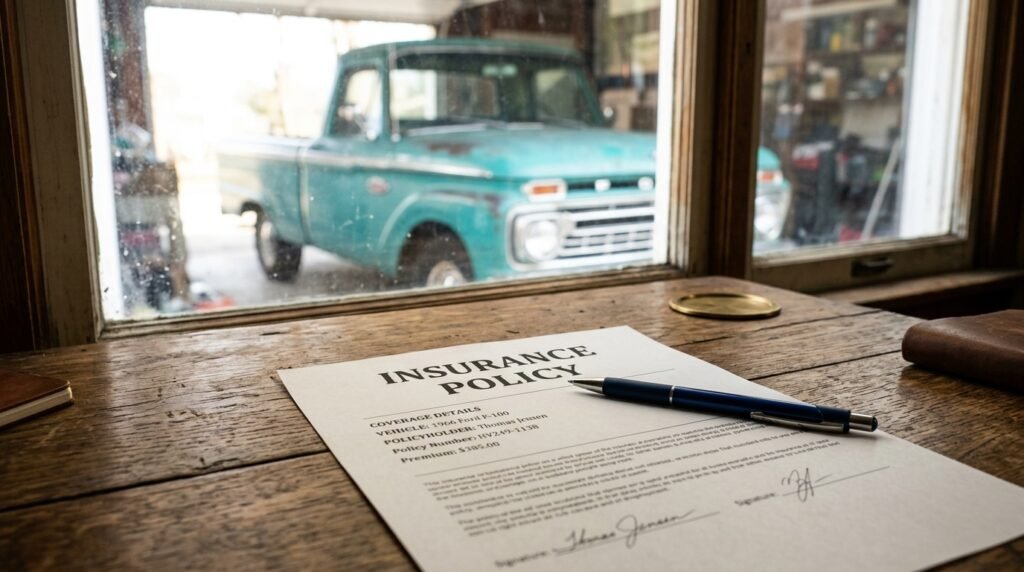
Agreed value physical damage — Pays the full negotiated amount on a total loss with no depreciation.
Spare parts coverage — Original and reproduction parts stored at home are covered. Standard policies ignore these entirely.
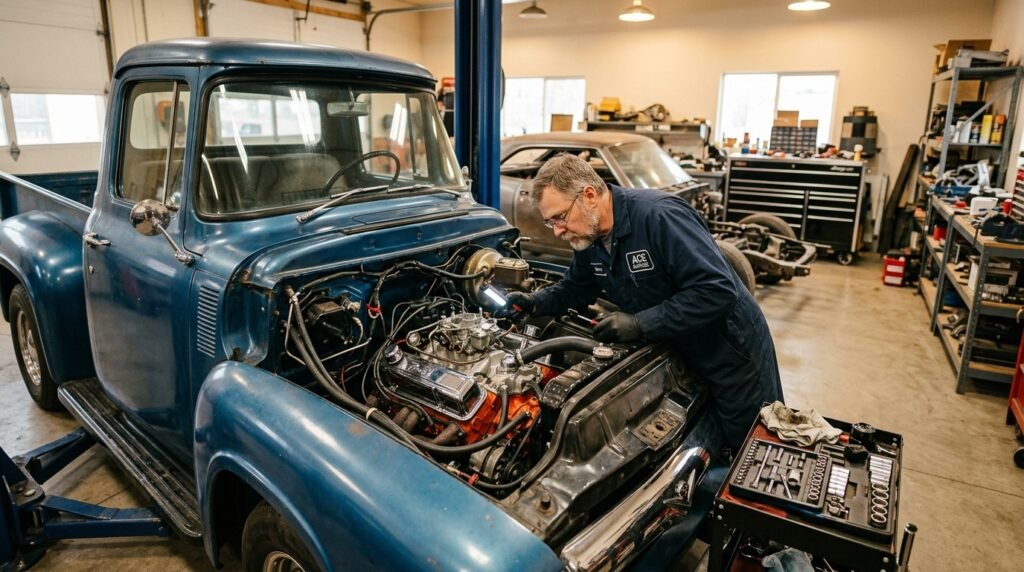
Restoration-in-progress coverage — If your truck is mid-build and partially disassembled, standard policies have already excluded it. Specialty carriers cover active restoration and increase the agreed value quarterly as work advances. This is a gap nearly every competitor article skips.
Roadside assistance — Specialty flatbed dispatch trained for collector vehicles, not standard tow trucks that can damage low-clearance classics.
Modified truck coverage — Custom paint, engine swaps and non-factory parts must be disclosed at policy start. Undisclosed modifications are the leading reason classic truck claims are partially denied.
If you also haul parts or tools in a cargo van or need forklift coverage on your property, those require separate commercial policies.
Many states offer antique or historical vehicle plates for trucks over 25 years old. These plates come with their own usage restrictions that must align with your insurance policy.
If your state antique registration limits the truck to shows and exhibitions but your policy allows 5,000 miles of pleasure driving, you need both documents to agree. A mismatch can create a coverage gap your insurer uses to deny a claim. Check with our agent and your state DMV before renewing either document.
Farm truck operators who also own a collector vehicle should keep their farm truck insurance and classic pickup policy completely separate with the same agent managing both.
Three steps protect you from undervaluing your truck:
Owners running mixed operations like a towing business or a junk removal service must keep commercial and collector policies completely separate to avoid claim conflicts.
At claim time:
What age must a pickup be for classic insurance? Most carriers require 25 years or older. Some accept 15 to 20 year old trucks with proof of collector value.
Can I drive my classic pickup as a daily vehicle? No. Most policies restrict use to shows, events and pleasure drives. You must own a separate daily vehicle.
Does classic pickup insurance cover mid-restoration trucks? Standard policies typically do not. Specialty in-progress policies do and increase agreed value as work is completed.
Are engine or paint modifications covered? Only if disclosed when the policy is written. Undisclosed mods are a top reason for partial claim denial.
How fast can I get a classic pickup insurance quote? Have your VIN, odometer reading, photos and modification list ready. Call (866) 757-5350 and most quotes are completed in a single call.
A standard policy was never built to protect a restored collector truck. Agreed value coverage through a specialty classic pickup insurance policy ensures you get paid what your truck is actually worth, not what a depreciation formula decides.
Whether you own a single restored F100 or a growing collection, the right policy starts with the right agent. Call (866) 757-5350 today to get your classic pickup insurance quote. Our team compares multiple specialty carriers and builds coverage around your truck’s real value.
Visit our commercial trucking insurance page to learn more or speak with an agent directly.