
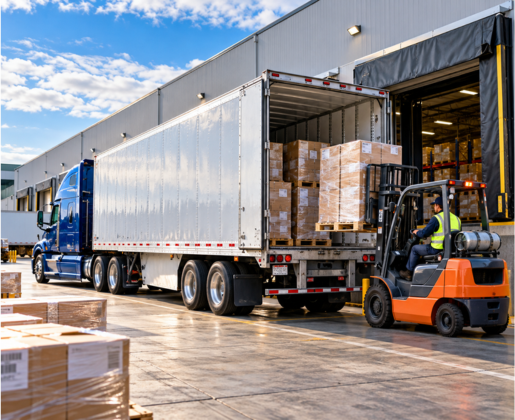
Commercial Trucking Insurance is designed for qualifying trucking and motor-carrier activities. Trucking operations can involve specialized vehicles, cargo, longer routes, multiple drivers, and other exposures that may require specialized insurance consideration.
Depending on the policy, coverage may help address certain covered losses and liability exposures involving trucks and business operations.
Trucking involve higher risk ad unique operation.
May help address third party injury or property damage claims.
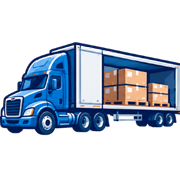
Protects vehicles and cargo in your business operations.
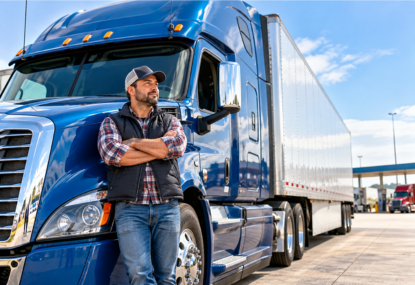
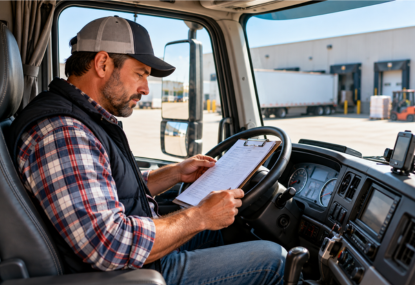
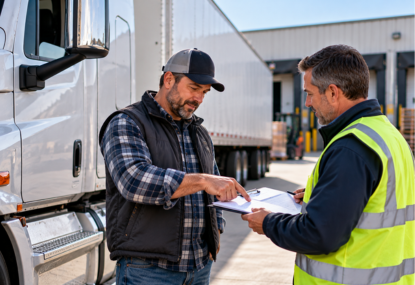
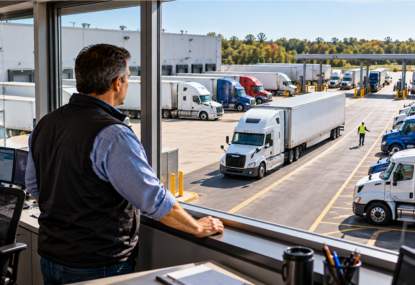
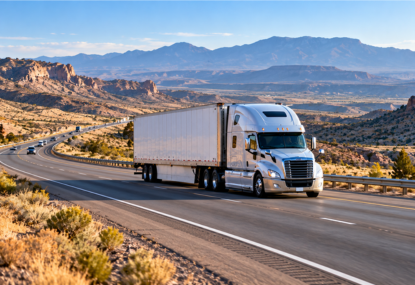
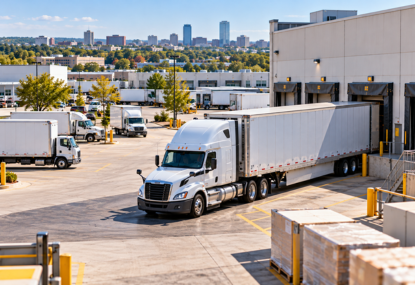
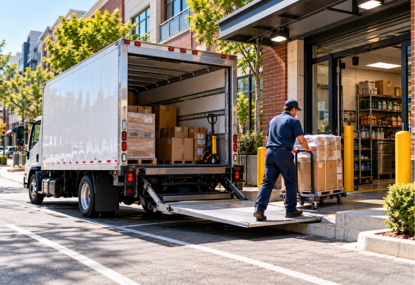
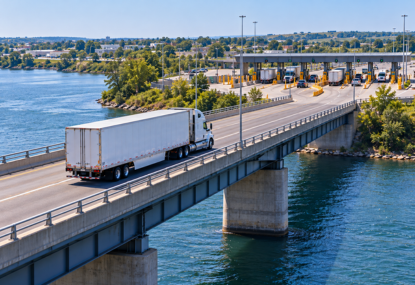
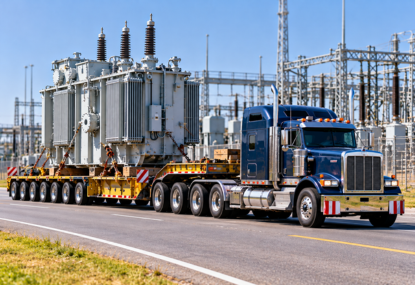
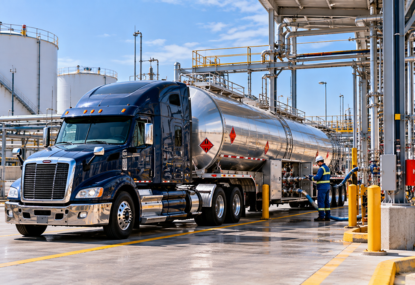
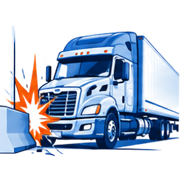
Accidents and covered vehicle-related losses
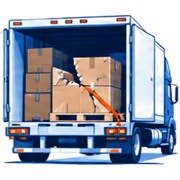
Cargo damage or loss, where applicable coverage is included
Truck or commercial vehicle physical damage.
Certain third-party liability claims.
Operational disruptions
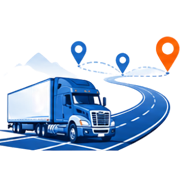
Long-distance and route-related exposures.
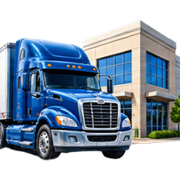
Commercial Auto / Truck Liability May address certain third-party bodily injury or property-damage liability arising from covered trucking operations.
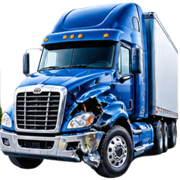
Physical Damage May help address covered damage to an insured truck or vehicle, subject to applicable terms and deductibles.
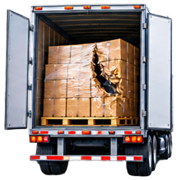
Cargo-Related Protection May address certain covered cargo losses when applicable coverage is included.
Medical / Injury-Related Protection Certain medical or injury-related coverage may be available depending on the policy and jurisdiction.
Hired / Non-Owned Auto May address certain exposures involving vehicles not owned by the business when applicable coverage is included.
Other Trucking-Specific Coverage Additional endorsements or specialized coverage may be appropriate based on the operation.
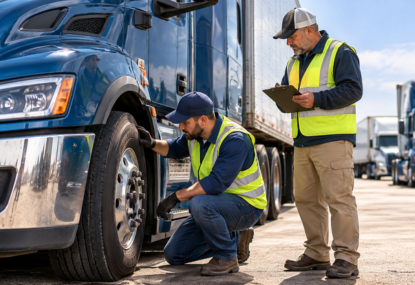
Safety programs and best practices may help trucking businesses promote safer driving and risk-management practices.
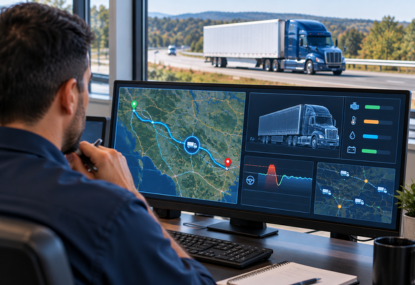
Telematics technology may provide insights into driving behavior, routes, vehicle performance, and fleet activity, depending on the technology used.
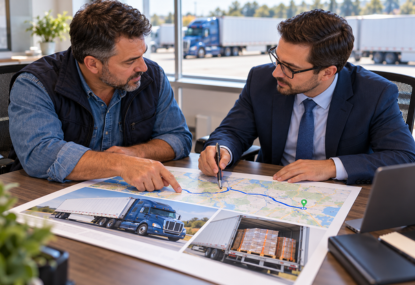
Clear communication and professional guidance can help businesses understand risk-management considerations and available insurance options.
Support and guidance when a covered incident occurs, subject to the insurer's claims process and policy terms.
Assistance with billing questions and payment-related issues.
Insurance support for trucking-related questions and coverage discussions.

We learn about your trucks, routes, cargo, drivers, and business activities.

We identify important coverage considerations based on the operation and risks involved.
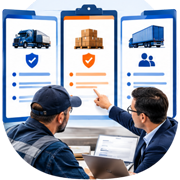
We review available options that may fit the business, subject to eligibility and policy requirements.
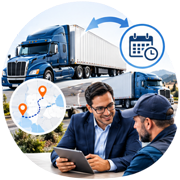
We remain available for insurance questions and service needs as the business changes.
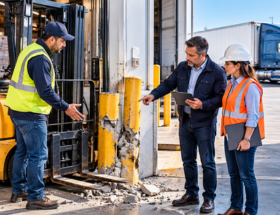
May help address certain third-party bodily injury or property-damage liability exposures outside the scope of covered auto liability.

Generally relevant to businesses with employees, subject to applicable law and policy requirements.
Commercial Trucking Insurance is designed for qualifying trucking and motor-carrier operations. Depending on the policy, it may help address certain liability, vehicle, cargo, and other trucking-related exposures. Coverage is subject to policy terms, limits, deductibles, exclusions, conditions, and eligibility requirements.
Businesses and operators involved in qualifying trucking activities may need specialized trucking insurance. Examples include owner-operators, independent owner-operators, contract carriers, fleet operators, long-haul and regional carriers, delivery operations, specialized freight operators, and certain hazmat or cross-border operations. Requirements and eligibility vary by operation.
Depending on the policy, coverage may include commercial auto or truck liability and may offer physical-damage, cargo-related, medical or injury-related, hired or non-owned auto, and other trucking-specific options. Not every policy includes every coverage, and limits, deductibles, exclusions, and conditions apply.
Factors may include fleet size, vehicle types, cargo, operating routes, territory, driver structure, business operations, loss history, and other characteristics of the trucking operation. These factors can affect eligibility, available coverage, limits, and underwriting requirements.
Yes. Commercial Auto Insurance can apply to a wide range of business vehicle uses, while Commercial Trucking Insurance is designed for qualifying trucking and motor-carrier operations that may involve specialized vehicles, cargo, routes, and operational requirements. The appropriate coverage depends on the specific business and its activities.
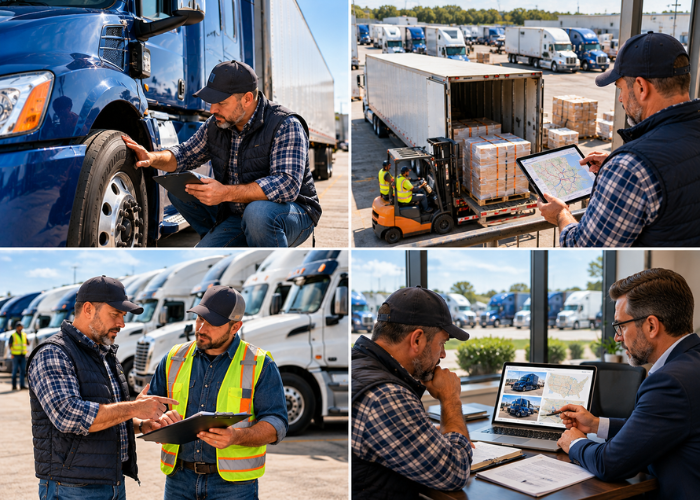
Every trucking operation is different. Talk with OLPolicy about your vehicles, cargo, routes, drivers, and business operations to understand the commercial trucking insurance options that may be available.
A consultation can help identify important coverage considerations and whether additional business insurance may also be appropriate.


Copyright 2026 OLPolicy - All Rights Reserved.
 contact@olpolicy.com
 (866) 757-5350