Bring Essential Business Property and Liability Protection Together
A Business Owner's Policy may combine commercial property and general liability coverage for eligible small businesses. Depending on the policy and business, additional coverage options may also be available.

A Business Owner's Policy (BOP) is a package policy designed for certain small businesses. It typically brings commercial property and general liability coverage together, helping eligible businesses address multiple common exposures through one policy.
A BOP is not automatically right for every business. Eligibility, available coverage, limits, exclusions, and policy terms depend on the business and insurer.

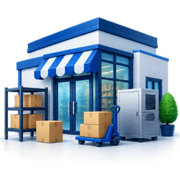
May help protect eligible business property such as buildings, equipment, inventory, furniture, fixtures, and other covered property, depending on the policy.

May help address certain third-party claims involving bodily injury, property damage, and other covered liability exposures, subject to policy terms.

Depending on the business and policy, additional coverage may be available for exposures such as business income, equipment, or other eligible risks.

Covered events may damage business property, equipment, or contents.

Certain third-party injury claims may create covered liability exposure.

Certain third-party property-damage or other covered liability claims may be addressed.

A covered property loss may affect income; applicable business-income coverage may help subject to its terms, limits, waiting periods, and conditions.
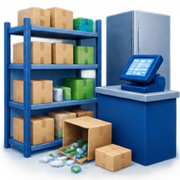
Covered inventory and other eligible business property may be subject to covered loss.

Retail businesses.

Office-based businesses.

Restaurants and food-service businesses.

Professional and service businesses.
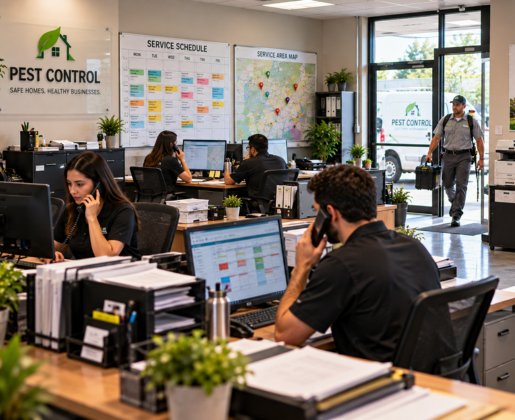
Small facilities and commercial operations.

Other eligible businesses that meet an insurer's underwriting guidelines.
Not every business qualifies for a BOP. Eligibility depends on factors such as business type, size, operations, location, property, claims history, and underwriting guidelines.
A package policy that may combine commercial property and general liability coverage for eligible businesses, with additional coverage potentially available.
Primarily liability-focused coverage that may address certain third-party bodily injury, property damage, and related covered claims. It does not replace property coverage.
Property-focused coverage designed to address covered loss or damage to eligible business property. It does not replace liability coverage.
Different focus. Different purpose. Some businesses may use these coverages together depending on their needs.

Workers' compensation, where required or appropriate.

Commercial auto and business vehicle exposures.

Professional liability or errors and omissions.

Cyber or data-related risks.

Industry-specific or specialized exposures.

Other coverage needs outside the BOP's available terms.
The appropriate combination depends on operations, contractual obligations, employees, vehicles, technology, property, and other exposures.

What products or services do you provide?

What buildings, equipment, inventory, furniture, or other property need consideration?

What does your business do every day, and what exposures arise?

How could a covered loss affect income or operations?
Where do you operate, and what property or operational risks may exist?
What limits, deductibles, exclusions, conditions, and additional coverages should you evaluate?

Discuss your business, property, operations, and concerns.
Review relevant coverage options based on your business needs.

Complete enrollment with greater confidence once a suitable option is selected.

Get assistance as your business and insurance needs evolve.
Watch this short guide to understand how a Business Owner's Policy works, what it may typically combine, who may be eligible, what a BOP may not include, and which questions business owners should consider.
A Business Owner's Policy (BOP) is a package policy designed for certain small businesses. It typically combines commercial property and general liability coverage, and additional coverage may be available depending on the business and policy. Eligibility, limits, exclusions, and conditions vary.
A BOP typically combines commercial property and general liability coverage. Commercial property coverage may address eligible business property, while general liability may address certain third-party bodily injury or property damage claims. Additional coverage may be available depending on the policy.
BOPs are generally designed for certain eligible small businesses with qualifying operations and exposures. Retail, office, restaurant, professional, service, and other businesses may be eligible, but eligibility depends on factors such as business type, size, operations, location, and the insurer's underwriting guidelines.
No. A BOP is not designed to replace every type of business insurance. Depending on the business, separate or additional coverage may be needed for workers' compensation, commercial auto, professional liability, cyber risks, or specialized industry exposures.
Start by evaluating your business activities, property, equipment, inventory, liability exposures, location, employees, vehicles, contracts, and other risks. A qualified insurance professional can help determine whether your business may be eligible for a BOP and whether additional coverage should be considered.


Copyright 2026 OLPolicy - All Rights Reserved.
 contact@olpolicy.com
 (866) 757-5350