


Cyber Liability Insurance is business insurance designed to help address certain financial, legal and operational exposures associated with covered cyber incidents. It is different from cybersecurity technology and security practices. Cybersecurity helps reduce the likelihood or impact of an incident, while insurance may help address certain covered costs after an eligible event, subject to the policy.

Unauthorized access to business systems, networks or accounts.

Unauthorized access to business systems, networks or accounts.
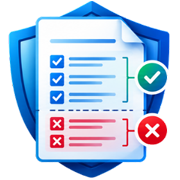
Unauthorized access to business systems, networks or accounts.

Unauthorized access or disclosure of sensitive business or customer information.

Malicious software that may restrict access to systems or data and demand payment.

Unauthorized access to business systems, networks or accounts.
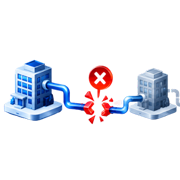
Technology-related disruption that may prevent normal business operations.
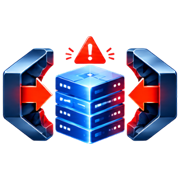
Threats involving systems, data or information that may create financial or operational pressure.
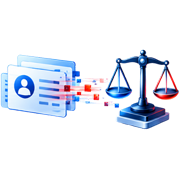
Potential obligations or claims arising from the handling, protection or disclosure of information.

Businesses that rely heavily on websites, online platforms or digital customer interactions.

Businesses that collect, store or process customer or employee information.

Businesses that conduct sales and transactions online.

Firms whose operations depend on digital records, communications and client information.

Businesses that accept or process electronic payments.

Businesses whose day-to-day operations rely on connected systems, software or cloud services.

Certain costs associated with responding to an eligible cyber incident.

Certain expenses related to restoring or recovering affected data and systems.

Certain covered income loss or additional expenses resulting from an eligible interruption.

Certain covered legal, defense or liability-related exposures.

Certain costs associated with required or appropriate incident response and notification activities.

Certain covered expenses involved in restoring affected operations or technology.

Recovery costs, lost income and response expenses may create an unexpected financial burden.

Downtime, system disruption and recovery work can interfere with normal business activity

Privacy concerns, service disruption and communication challenges may affect customer trust and reputation.

Industry, services, customers and operating model.

Types and volume of customer, employee or other sensitive information.

Reliance on networks, software, cloud systems and digital infrastructure.

Use of online or electronic payment systems.

Existing cybersecurity controls, policies, training and incident-response practices.
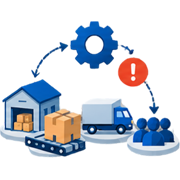
The potential operational and financial effect of a cyber disruption.

Review how the business operates and where technology and information are essential.

Identify exposures that may be important to the business.

Discuss coverage approaches, limits and policy considerations.

Help the business review insurance needs as operations change.
Cyber Liability Insurance is business insurance that may help address certain financial, legal and operational exposures associated with covered cyber incidents. Coverage depends on the policy, selected coverage, limits, exclusions and applicable terms.
Businesses that handle sensitive information, accept digital payments, operate online or depend heavily on technology may have cyber exposures worth evaluating. The need for coverage depends on the business’s operations and risk profile.
Depending on the policy, Cyber Liability Insurance may help address certain exposures associated with events such as data breaches, ransomware, hacking, business interruption, cyber extortion and privacy or liability issues.
No. Cyber Liability Insurance is generally considered alongside other business coverage rather than as a replacement for it. BOP, Commercial Property, General Liability, Professional Liability, EPLI and Workers’ Compensation address different types of risks.
Factors may include the type of business, information handled, technology dependence, digital payment activity, cybersecurity practices and the potential operational and financial impact of a cyber incident.

Discuss the business, its operations and potential cyber exposures.

Review coverage approaches that may fit the business’s circumstances.

Help guide the application and policy-selection process.

Help review insurance needs as the business changes.


Copyright 2026 OLPolicy - All Rights Reserved.
 contact@olpolicy.com
 (866) 757-5350