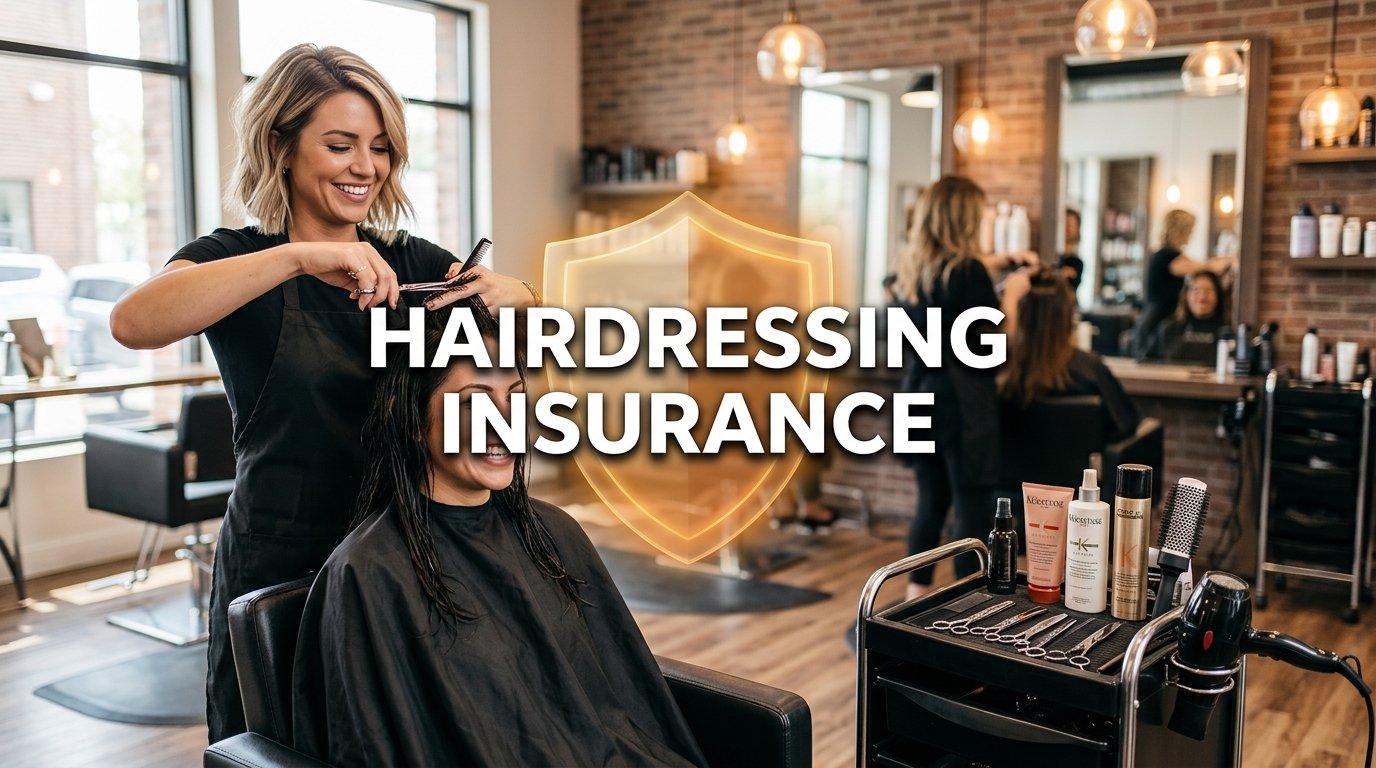
A single chemical burn claim can cost a salon thousands in legal fees. Hairdressing insurance protects stylists from client injury claims, hair damage disputes, and property loss. Customers struggle with knowing which coverage actually fits their work. This problem happens because hairdressing mixes chemicals, sharp tools, and close client contact daily. Bleach, color treatments, and heat tools carry real risk every appointment. The right coverage protects your chair, your clients, and your income at once. In this guide, you’ll learn what hairdressing insurance covers, what it costs in 2026, and how booth renters differ from salon owners. We’ll also cover mobile stylist rules and ways to lower your premium. By the end, you’ll know exactly what to buy.
Hairdressing insurance protects stylists and salons from client claims and property damage. It covers chemical burns, hair damage disputes, and equipment loss. This coverage matters more here than in most service businesses. Customers struggle with assuming basic liability covers everything they do. Hair services involve chemicals, heat, and direct skin contact every single visit. A stylist needs several coverages working together, not one single plan. This insurance usually comes as a bundle. Most salons combine professional liability, general liability, and property into one package. Skipping professional liability is the most common mistake new stylists make.
Hairdressers face chemical burns, hair damage claims, slip-and-falls, and product reactions daily. These risks come straight from the job itself. You can’t avoid bleach and heat tools in this trade.
This problem happens when color or bleach sits too long on skin. A client develops a burn or severe allergic reaction during service. Professional liability covers claims tied to chemical treatment mistakes. .
Customers struggle with breakage after extensions or bleach jobs go wrong. A client may sue claiming permanent hair loss or damage. This is one of the most common claims stylists face nationwide.
Wet floors near shampoo bowls cause real falls in busy salons. A spilled cape clip or water puddle turns tile dangerous fast. General liability pays medical bills when a client falls on-site.
This problem happens when a defective color line or extension batch reaches multiple clients. One bad shipment can trigger several claims at once. Product liability protects you even when the manufacturer made the mistake.
You can solve most coverage gaps by combining these five policies.
| Coverage Type | What It Protects |
|---|---|
| Professional Liability (E&O) | Chemical burns, hair damage, service errors |
| General Liability | Slip-and-falls, client injuries on-site |
| Property & Equipment | Chairs, dryers, color stations |
| Business Interruption | Lost income after a covered closure |
| Workers’ Comp | Employee injuries on the job |
This coverage protects you when a service itself causes harm. A client blames you for hair loss or a chemical burn. Professional liability pays legal fees and settlements tied to these claims.
Your needed coverage depends on whether you rent a chair or own the salon. Booth renters carry their own professional liability separate from the owner. Owners need broader coverage across the entire building. A booth-renting stylist usually buys a smaller policy focused on their services. Salon owners need general liability covering the whole space and all staff. Many landlords require proof of insurance before signing a lease.
Mobile stylists need professional liability, general liability, and commercial auto coverage. Personal auto policies usually exclude business use completely. Clients’ homes carry different risks than a fixed salon chair. You can solve this by carrying property coverage for tools in transit too. High-end clients often request proof of $1 million in liability before booking.
Costs range from $800 for solo stylists to $4,000+ for full mobile packages yearly. Your price depends on services, location, and claims history.
| Stylist Type | Annual Cost Range |
|---|---|
| Basic Liability (Solo/Booth) | $800 – $2,200 |
| Full Mobile Package (Auto + Tools) | $1,500 – $4,000 |
| Salon Owner (Multi-Chair) | $1,800 – $4,500 |
Bleach, extensions, and chemical treatments raise your premium. A clean claims history can save 15–30% at renewal. Bundling liability and property into one BOP policy lowers your rate too.
You can lower your rate by tightening salon safety habits.
These habits cut claims and build a record insurers reward at renewal.
What does hairdressing insurance cover?
It covers chemical burns, hair damage claims, slip-and-falls, and property loss.
Do mobile stylists need commercial auto coverage?
Yes. Personal auto policies exclude business use for most mobile stylists.
How much does basic coverage cost?
Solo stylists typically pay $800 to $2,200 per year for basic liability.
Hairdressing insurance protects far more than your chair and tools. One chemical burn or hair damage claim can threaten years of hard work. The right policy covers your services, your clients, and your income together. Insurance Services has spent 20+ years helping stylists and salon owners find the right coverage. We know which policies satisfy landlord and client requirements fully. Our team builds your plan around your actual services, not a generic template. Don’t wait until after a claim to get covered properly. We’re ready to help you find the right hairdressing insurance today. Call us at +1 (866) 757-5350 and let our experienced agents protect what you’ve built. .OLPolicy is the best insurance provider for stylists who need coverage they can trust.