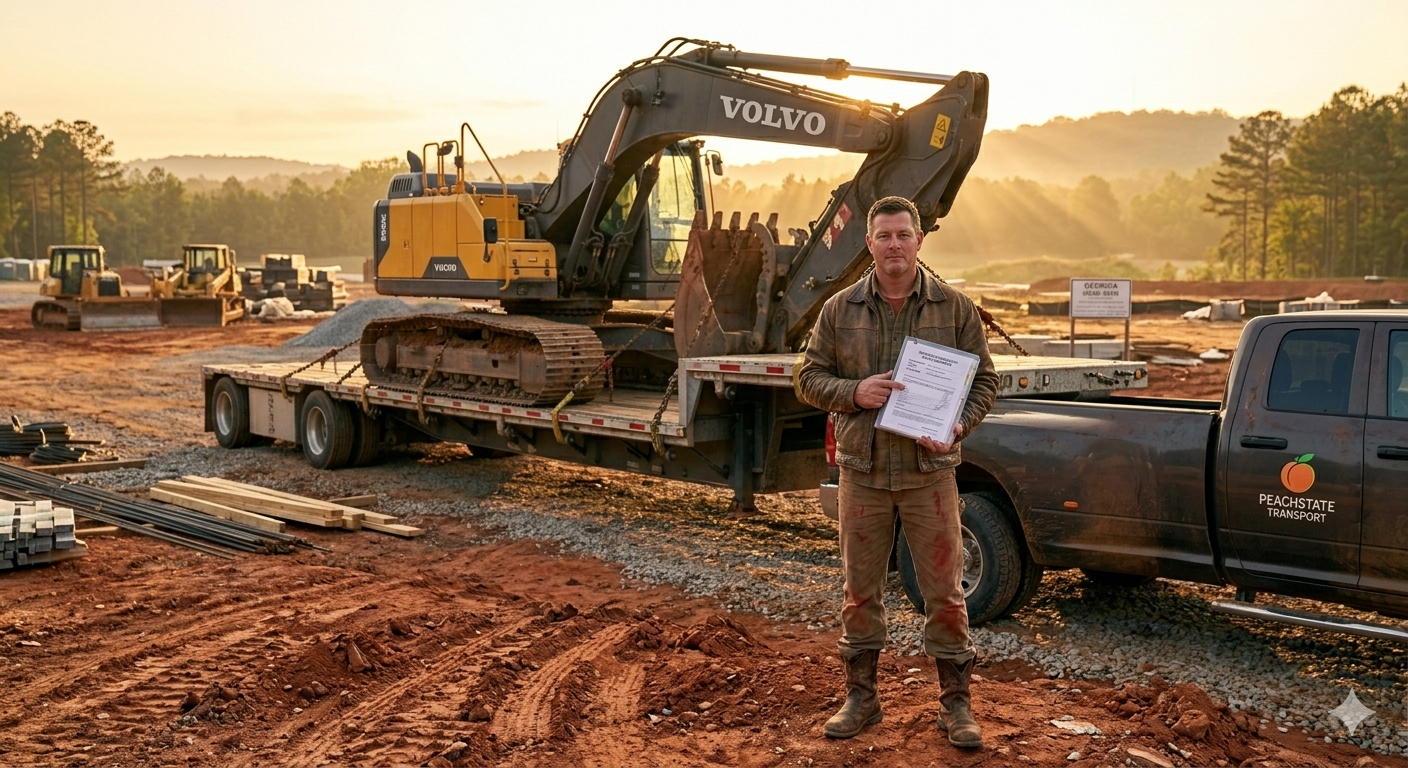
You just hooked up your gooseneck trailer, loaded $60,000 worth of excavation equipment and pulled onto the highway. Your truck is insured. But is your trailer? Is the equipment on it? What happens if the trailer detaches at 60 mph?
For thousands of haulers across the country gooseneck trailer insurance is either missing from their policy or built on wrong assumptions. This guide is written from an insurance agency perspective real coverage questions we hear every week from contractors, owner-operators and equipment haulers who thought they were covered until they weren’t.
Does your commercial truck policy cover your gooseneck trailer?
The answer is partial at best. Your truck policy covers liability to third parties while the trailer is attached and moving. That is where the coverage stops.
It does not cover:
This is not a technicality. These are real denied claims that real haulers face. Understanding this gap is the first step to building a policy that actually works.
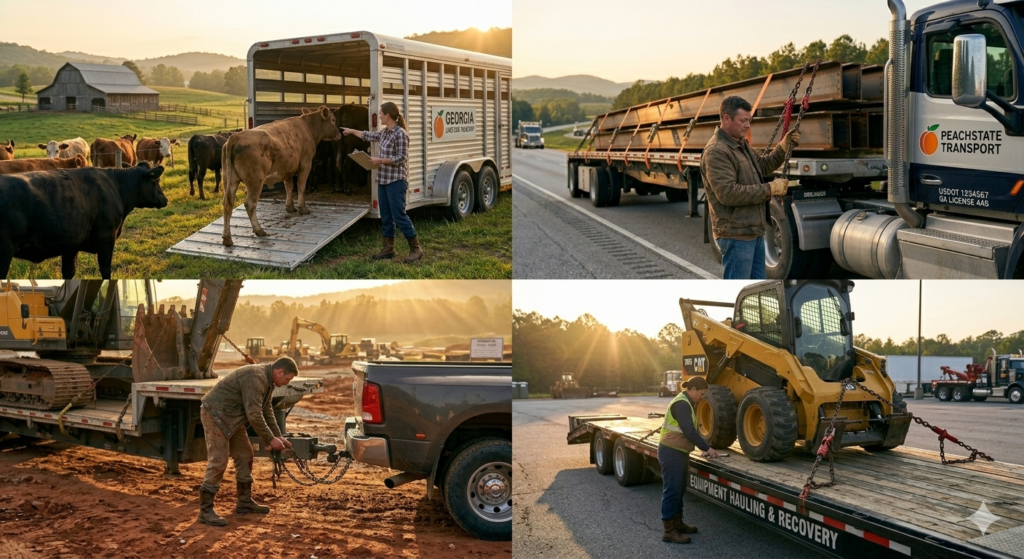
Not every trailer owner needs a separate policy. But these operators do:
Independent contractors and owner-operators who own their trailer outright and are not leased to a carrier that provides trailer coverage. If your name is on the trailer title your policy needs to reflect that.
Equipment haulers pulling machinery, skid steers, excavators or any heavy construction equipment across state lines. The value of the load alone justifies proper coverage and most commercial contracts require proof of it.
Livestock haulers carrying cattle, horses or other animals. Standard cargo insurance excludes livestock entirely. You need a specific livestock cargo endorsement that accounts for animal mortality and injury during transport. This is a coverage category most general insurance agents do not even know to ask about.
Contractors who use trailers intermittently pulling equipment to a job site and leaving the trailer parked for days. During that parked period your truck policy provides zero protection on the trailer.
For contractors running heavy equipment alongside commercial trucks our tri axle dump truck insurance guide explains how to structure coverage when multiple vehicle types are in your operation.
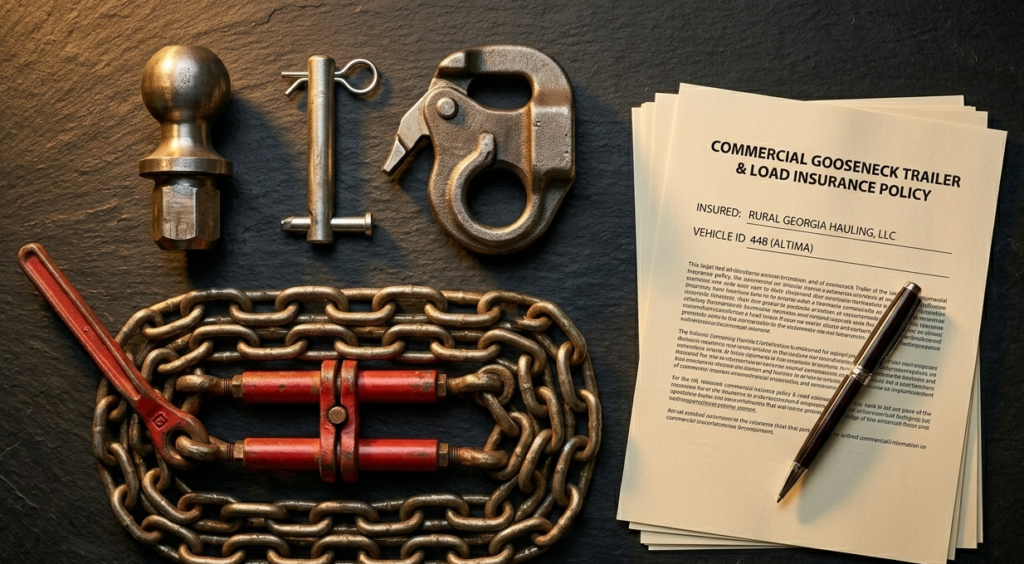
Covers your trailer from collision, overturn, fire, theft and weather. The limit should reflect current replacement cost. Gooseneck trailer prices have increased 25 to 40 percent since 2021. If your policy was written in 2020 and never updated you are likely underinsured by a significant margin.
This is the coverage gap that surprises haulers most. When your trailer is unhitched and sitting at a job site or storage yard it is no longer under your truck policy. If it rolls, falls or causes any damage in that detached state the liability is yours. A standalone trailer policy or specific detachment endorsement fills this gap.
The freight on your trailer is not insured by either your truck policy or your trailer policy. Cargo coverage is a third layer. For equipment haulers the limit needs to match the single highest value piece of equipment you transport. For livestock haulers it requires an animal mortality endorsement on top of standard cargo terms.
If you pull trailers that belong to other carriers under a formal interchange agreement you need trailer interchange coverage. This is different from non-owned trailer coverage and the two are frequently confused. Non-owned trailer covers temporary use without a written agreement. Interchange covers trailers under a specific contract. Using the wrong one leaves you exposed.
Our flatbed truck insurance guide covers open deck cargo liability in detail for haulers running both flatbed and gooseneck configurations.
| Coverage Type | Estimated Annual Cost |
| Physical damage only | $600 to $2,400 |
| Liability plus physical damage | $3,000 to $7,000 |
| Full coverage with cargo | $5,500 to $15,000 |
| Livestock full coverage | $4,500 to $10,000 |
| Equipment hauler full coverage | $6,500 to $18,000 |
| Interstate operation added cost | 15 to 30 percent more |
The biggest variable is cargo type. A contractor hauling landscaping equipment pays significantly less than one hauling $200,000 in demolition machinery. Livestock adds mortality risk that insurers price carefully.
Bundling your trailer policy with your commercial truck coverage typically saves between 10 and 20 percent. For a full view of how trailer coverage fits within a commercial operation visit our commercial trucking insurance page.
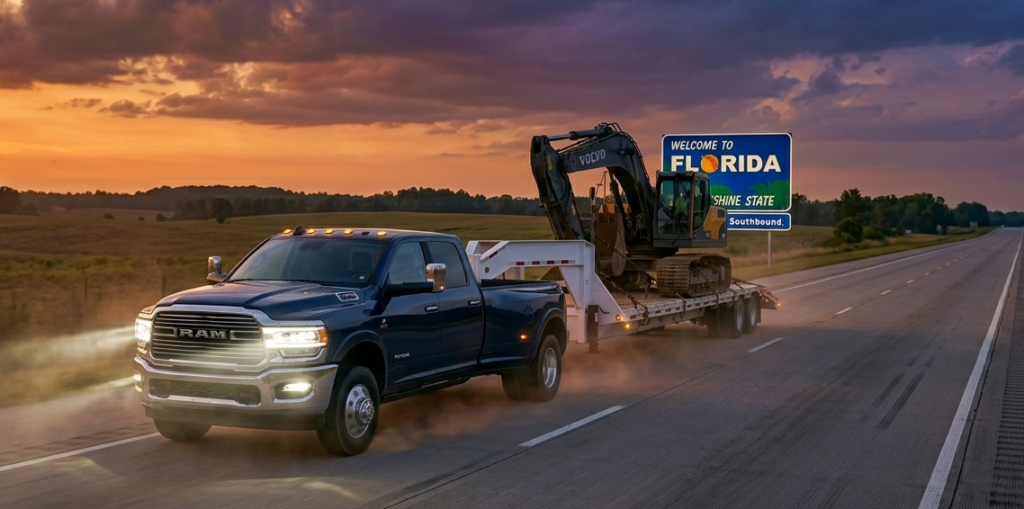
Georgia and most other states require liability coverage on commercially used trailers. But the minimum limits set by law are rarely enough for real-world hauling contracts.
If you cross state lines your coverage must meet the requirements of every state you operate in. Some states have higher minimum liability thresholds. Some cargo types trigger federal requirements through the FMCSA. If your gooseneck is used for any interstate commercial purpose your policy needs to be built for multi-state compliance from the start.
Operations that involve recovery or towing equipment alongside trailer hauling need additional coverage layers. Our towing company insurance guide covers those specific exposures.
Q: Is gooseneck trailer insurance required by law? Yes for commercial use. Most states require liability coverage on any commercially operated trailer. Physical damage is optional but essential given today’s trailer replacement costs.
Q: Will my personal auto policy cover my gooseneck trailer? No. Personal auto policies exclude commercial use entirely. Any business haul requires a commercial trailer policy.
Q: What is the difference between trailer interchange and non-owned trailer coverage? Trailer interchange applies when there is a written agreement between carriers. Non-owned trailer coverage applies when you temporarily use a trailer without a formal contract. Using the wrong one can void your claim.
Q: Does cargo insurance cover livestock on a gooseneck trailer? Standard cargo policies exclude livestock. You need a specific livestock cargo endorsement that covers animal mortality and injury during transport.
Q: Can I add gooseneck trailer coverage to my existing truck policy? In most cases yes. Bundling is usually more cost-effective than a standalone policy and simplifies your coverage management significantly.
Gooseneck trailer insurance is not a box to check. It is the coverage layer that protects the equipment you depend on, the cargo your clients are counting on and the liability that follows every mile you pull.
The haulers who get hurt financially are not the ones who lacked insurance. They are the ones who had a policy that was never built for their actual operation wrong limits, missing endorsements and assumptions that were never verified.
At OLPolicy, we work with contractors, owner-operators and equipment haulers every day. We know the questions to ask and the gaps to close before a claim makes them obvious.
Call OLPolicy at (866) 757-5350 and get a gooseneck trailer insurance policy built around your equipment, your cargo and your routes. Real coverage from people who understand commercial hauling.