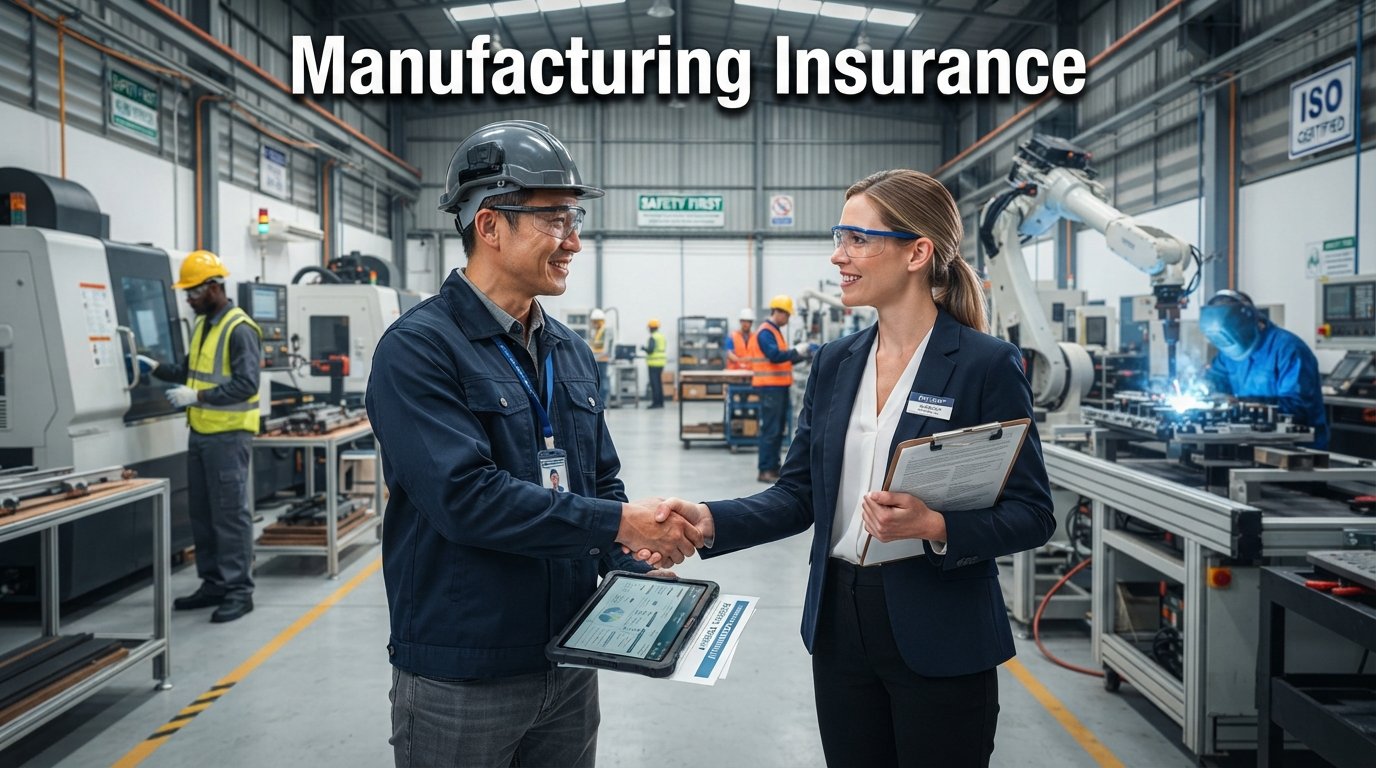
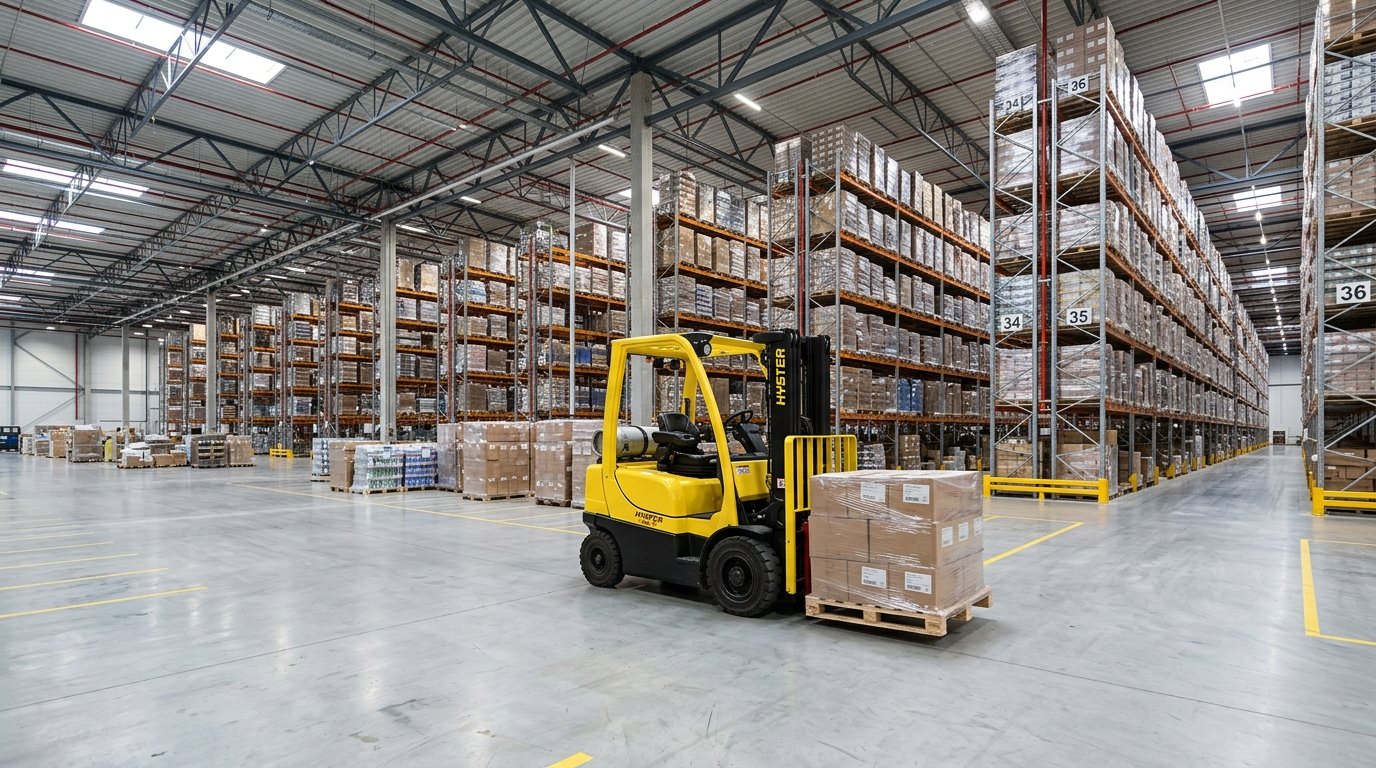
Forklifts cause over 35,000 injuries and 87 deaths in the US every year. A single workers compensation claim from one forklift accident averages $38,000 to $41,000 in direct costs alone. Yet most operators assume their general business policy covers them. It does not. This guide covers what a forklift insurance quote includes, what it costs and the gaps that catch businesses off guard.
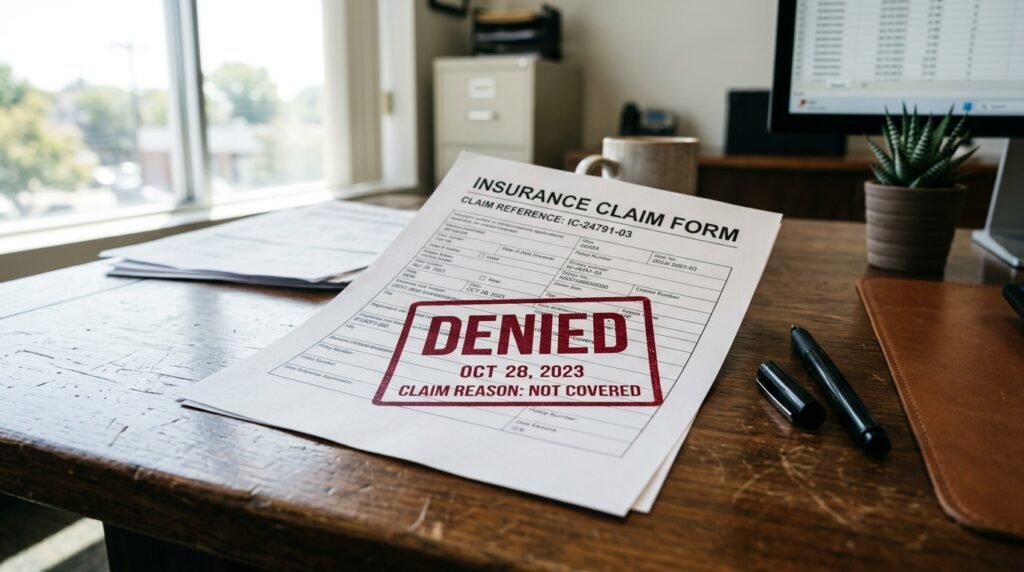
Most general liability policies exclude mobile equipment used in operations and forklifts fall squarely into that category. Forklift operations require their own commercial forklift insurance package built around how and where the equipment is used.
If a forklift tips over and injures a visitor, your standard policy may deny the claim. Rental contracts almost always require you to carry your own industrial equipment insurance before you move the machine. According to OSHA, powered industrial trucks are one of the leading causes of serious workplace injuries in the US.
OSHA violations cost $13,500 per citation and one serious incident can easily exceed $200,000 in total business impact.

A complete commercial forklift insurance policy is typically a bundle of three to four coverage types. Here is what each one does.
This is the foundation of any forklift insurance quote. General liability covers third-party bodily injury and property damage caused by your forklift operations. Customers, general contractors and warehouse facility owners almost always require proof of at least $1,000,000 in general liability before they allow your equipment on their property.
Businesses that also run delivery vans should pair this with cargo van insurance to cover their full operation.
Inland marine coverage protects the forklift itself from theft, fire, vandalism and accidental damage. It applies whether your forklift sits in a fixed warehouse or moves between jobsites. If equipment moves between sites on a trailer, gooseneck trailer insurance covers that transport gap.
If you have employees operating forklifts, workers compensation is required in nearly every US state. It covers medical bills and lost wages when an operator is hurt. Given that tip-overs account for 42% of forklift fatalities, skipping this is a serious financial risk. Businesses moving equipment with tow vehicles should also review towing company insurance to close that gap.
This add-on covers mechanical and electrical failure that stops your forklift from operating. It pays for repairs from internal breakdown rather than external accidents. Without it, a mechanical failure during peak production means full out-of-pocket repair costs.
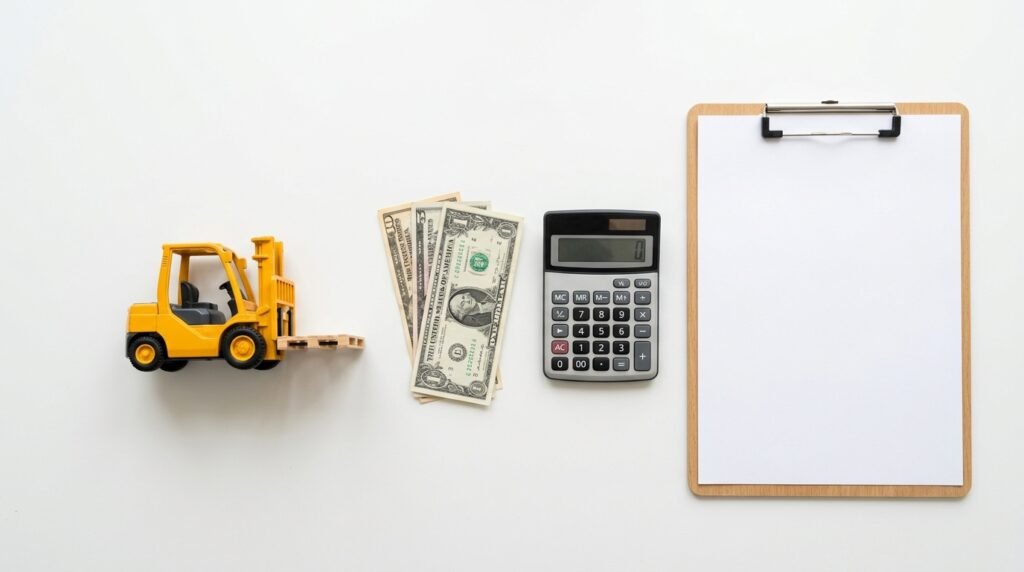
Annual premiums for forklift insurance coverage typically run between $750 and $2,500 per unit for standard warehouse use. Businesses that bundle general liability with equipment coverage often budget $150 to $600 per month for a basic package.
Construction operators pay 30% to 40% more than indoor warehouse operators. If larger vehicles operate on the same sites, pairing your quote with tri-axle dump truck insurance or flatbed truck insurance can reduce your total premium through bundling.
What moves your quote up or down:
Before requesting a quote, gather your training records and loss history since underwriters price risk on what they can verify.
Gap 1: Rented forklifts are not automatically covered. A rental company’s damage waiver is not insurance. You need your own forklift rental insurance endorsement to avoid paying full replacement cost on a damaged unit. Operators who also rent vehicles should review temporary commercial vehicle insurance to keep short-term equipment covered.
Gap 2: Your general policy covers premises, not operations. Slip and falls inside your warehouse may be covered. Damage caused by the forklift during actual operation is a separate exposure that requires forklift-specific liability coverage.
Gap 3: COI requirements are contract-driven, not legal. There is no federal law mandating forklift insurance but customers, landlords and GCs will require a certificate of insurance before you can operate. Missing it costs you contracts.
Gap 4: Moving a forklift between sites creates a coverage gap. Standard equipment policies may not cover a forklift while it is being transported between locations. Waste and recycling operators should also review garbage collection insurance for fleet-wide planning.
Operators in food service can check food truck business insurance and those in cleanup or removal should review junk removal business insurance for full fleet coverage.
Is forklift insurance legally required in the USA? No federal law mandates it. However, most customers, facility owners and general contractors require proof of coverage through a COI before allowing your equipment on site.
Does my commercial auto policy cover my forklift? No. Forklifts are classified as mobile equipment not motor vehicles. They require separate heavy equipment or inland marine coverage.
How do I lower my forklift insurance quote? Maintain documented operator training records, keep a clean loss history, install GPS tracking on your units and bundle your liability and equipment coverage with one carrier.
Does forklift insurance cover rented equipment? Not automatically. You need a specific endorsement to cover rented or leased forklifts under your policy.
What liability limit do I actually need? Most facilities and GCs require a minimum of $1,000,000. Larger contracts often require $2,000,000 to $5,000,000 in total limits.
One forklift accident without the right coverage can cost your business more than a full year of premiums. Do not wait until a claim to find out your policy has a gap.
Call (866) 757-5350 right now to speak with a commercial equipment insurance specialist. We compare top-rated carriers and build a policy around your operation, equipment value and contract requirements at a rate that works for you.