
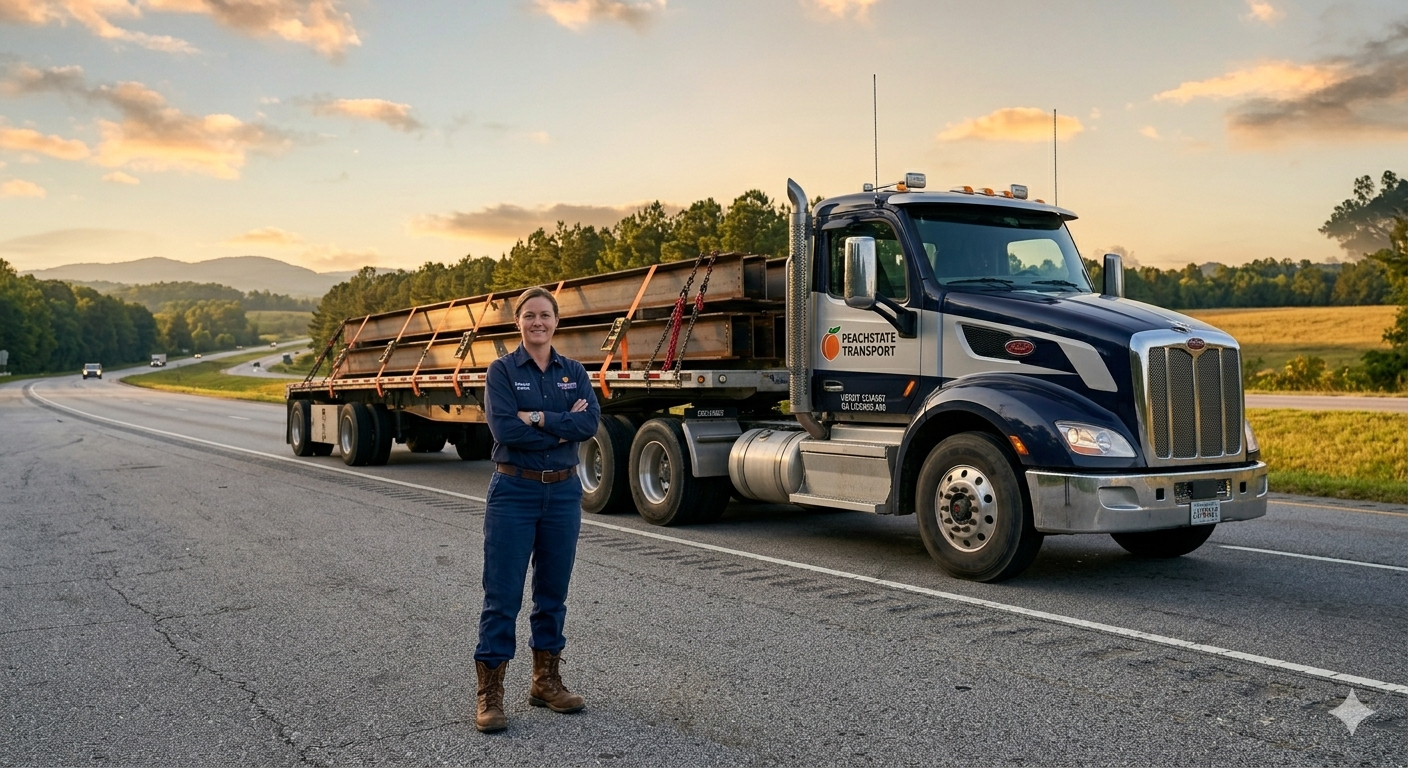
Flatbed trucking is one of the most demanding and most exposed segments in commercial hauling. Open loads, oversized cargo, and highway miles create a risk profile unlike any other truck type. Yet many flatbed operators are running with policies designed for dry vans or standard freight trucks.
Flatbed truck insurance isn’t just a legal requirement it’s the difference between a setback and a business-ending loss. This guide covers every coverage you need, what it actually costs in 2026, and the gaps most operators don’t discover until it’s too late.
Most commercial truck policies are written around enclosed freight. Flatbeds are fundamentally different your cargo is exposed, often oversized, and secured only by straps and chains. That changes your liability exposure completely.
A load shift on the highway. A steel beam that comes loose. Construction materials that damage another vehicle. These aren’t hypotheticals they’re regular claims in the flatbed world.
Standard commercial trucking policies often exclude or undervalue these exposures. That’s why commercial flatbed truck coverage must be purpose-built for open-deck hauling. For a full overview of what commercial trucking insurance covers across all truck types, visit our commercial trucking insurance page.
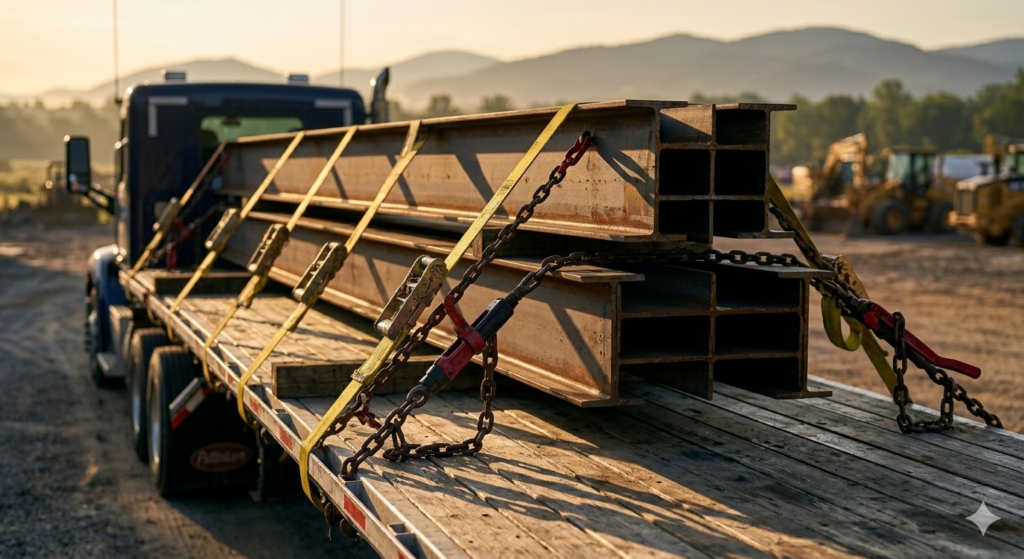
Liability coverage protects you when your truck or cargo causes injury or property damage to others. For flatbed operators, minimum limits of $750,000 are federally required but most shippers and brokers now demand $1,000,000 or higher before assigning a load.
Heavy haul and oversized loads often require $2,000,000 CSL as a contract condition. Know your load types before you set your limits.
This is where flatbed operators get hurt most. Your liability policy does not cover the cargo on your deck. Motor truck cargo insurance protects the freight you’re hauling steel, lumber, machinery, construction equipment if it’s damaged, lost, or causes a road incident.
Cargo coverage limits should match the highest-value freight you regularly haul. A $100,000 limit sounds like a lot until you’re hauling $180,000 in industrial equipment.
Flatbed trucks and their specialized equipment headache racks, tarps, binders, chains represent a major investment. Flatbed truck physical damage coverage includes:
When you’re deadheading, driving home, or moving your truck without an active load assignment, your primary policy may not cover you. This gap catches owner-operators off guard constantly. Our non-trucking liability insurance Georgia guide explains exactly when this coverage kicks in and why it matters.
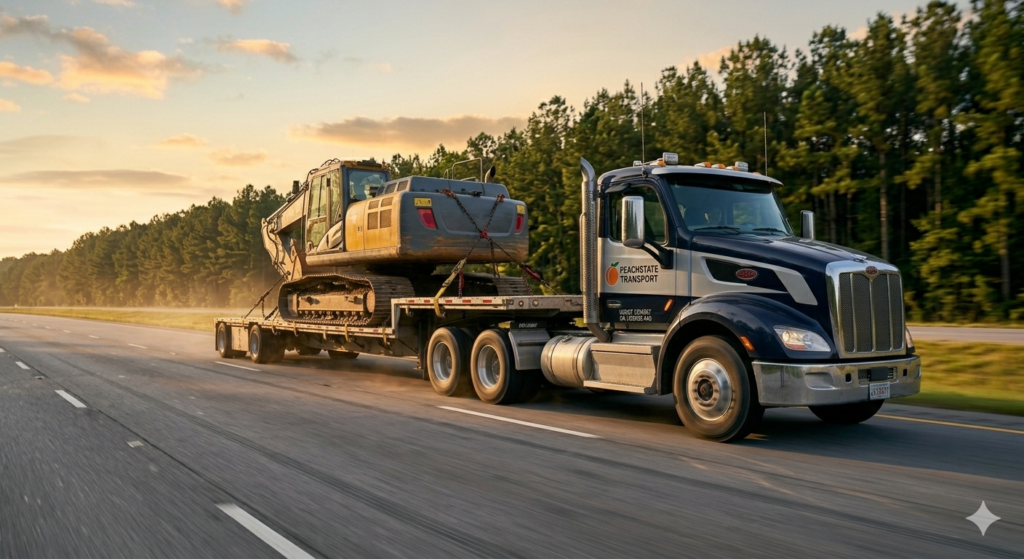
Real rates vary here’s what flatbed operators are actually paying:
| Coverage Type | Estimated Annual Premium |
| Liability only ($750K) | $5,000 – $8,500 |
| Liability + Physical Damage | $9,000 – $16,000 |
| Full coverage with cargo | $14,000 – $26,000+ |
| Owner-operator (leased to carrier) | $3,500 – $7,000 |
| New authority first year | $12,000 – $22,000 |
What raises your flatbed premium:
What lowers your rate:
New to the business? Rates for first-year operators run significantly higher. Our new authority truck insurance Georgia guide walks through how to get competitive rates even without an established loss history.
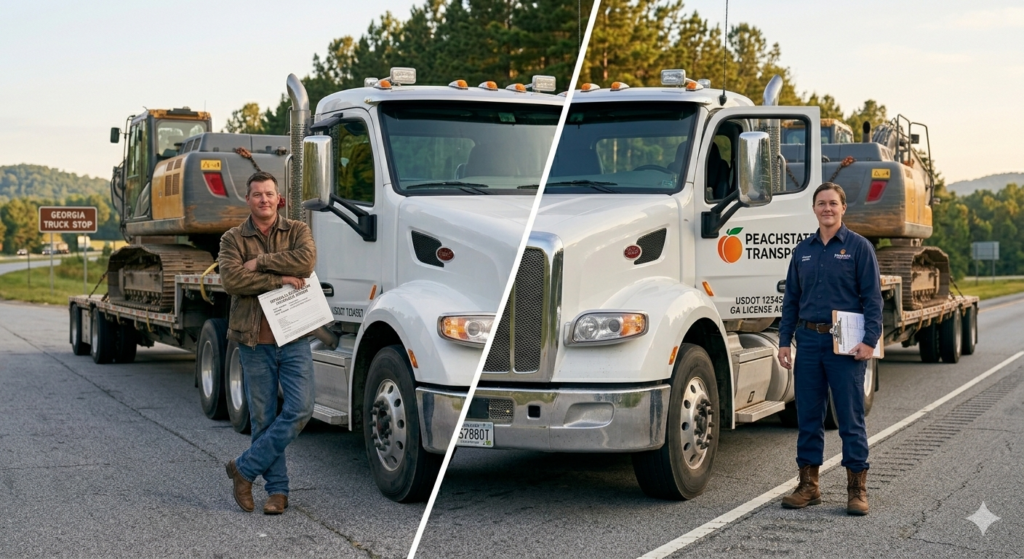
This is the most misunderstood area in flatbed trucking insurance.
If you’re leased to a motor carrier: Their policy covers you while under dispatch but almost nothing else. Physical damage to your truck, off-dispatch driving, and your personal cargo liability are typically your responsibility entirely. Many drivers assume the carrier’s policy has them fully covered. It doesn’t.
If you’re running your own authority: You need a complete standalone policy liability, cargo, physical damage, and non-trucking liability at minimum. You’re also responsible for FMCSA compliance filings. If you’re unsure where to start with federal filings, our FMCSA filing requirements Georgia guide covers everything you need to file before your first load.
Understanding your full Georgia commercial auto insurance options helps you build the right coverage structure whether you’re leased or independent.
Many operators switch between truck types flatbed, dump, or specialty hauling and assume their policy transfers automatically. It doesn’t.
If you also operate a dump truck, your flatbed policy likely won’t cover it. Check our dump truck insurance Georgia and tri axle dump truck insurance guides if you’re running mixed equipment you may need a separate policy or a commercial fleet endorsement.
Q: What is the minimum liability coverage for a flatbed truck? Federal law requires $750,000 minimum for non-hazardous freight. Most shippers and brokers require $1,000,000 or more.
Q: Does flatbed insurance cover my tarps and straps? Not automatically. You need a specific equipment endorsement to cover tarps, binders, chains, and tie-down gear.
Q: Can I get flatbed insurance with a new CDL? Yes, but expect higher premiums. Insurers view new CDL holders as higher risk; rates typically drop after 2–3 years of clean driving.
Q: Is cargo insurance required for flatbed trucking? It’s not federally mandated for all loads, but most freight brokers and shippers require it as a contract condition before dispatching loads.
Q: How fast can I get a flatbed truck insurance certificate? Most policies can be bound within 24 hours. Certificates of insurance are typically issued same-day once coverage is active.

Flatbed trucking rewards operators who are prepared and punishes those who aren’t. One uncovered cargo claim, one off-dispatch accident, one contract lost over insufficient limits can wipe out months of revenue.
Don’t let a coverage gap define your operation. Work with a specialist who understands open-deck hauling, FMCSA requirements, and the real risks flatbed drivers face every day.
Call OLPolicy at (866) 757-5350 for a fast, no-pressure flatbed truck insurance quote. We’ll build a policy around your loads, your routes and your business not a generic template.