 contact@olpolicy.com
 (866) 757-5350
Key message
right RV coverage should reflect how you use your RV, where it is stored, and what you need to protect.


Protection for the road ahead and every adventure.
Your RV can be a vehicle, a vacation space, or a home away from home. RV Insurance helps protect your RV and the people, belongings, and travel plans connected to it.

Financial Protection

Travel Confidence

Personal Belongings Protection

Roadside Assistance

Emergency Support
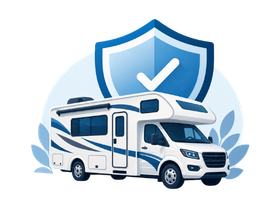
RV Insurance is designed to protect recreational vehicles and risks associated with owning and using them. Depending on the RV and policy, coverage may address vehicle damage, liability, personal belongings, emergency expenses, and other risks associated with traveling or living in an RV.

The right RV coverage should reflect how you use your RV, where it is stored, and what you need to protect.
right RV coverage should reflect how you use your RV, where it is stored, and what you need to protect.

Helps protect against covered losses and unexpected expenses.

Supports greater confidence when you take your RV on the road.

Coverage may help protect eligible belongings kept inside the RV.

Coverage options can be selected around the RV and how it is used.
Certain policies may provide support for eligible roadside or travel-related needs.

Some options can help with eligible emergency expenses after a covered event.

May help cover eligible bodily injury or property damage claims for which you are legally responsible.
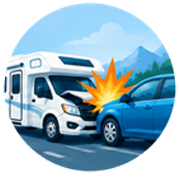
May help pay for covered RV damage from a collision, subject to policy terms and deductible.

May help cover certain non-collision losses such as theft, fire, vandalism, or weather-related damage, when included.

May help protect eligible personal property inside the RV, subject to limits, exclusions, and deductibles.

May provide liability protection for eligible situations when the RV is used as a temporary vacation residence.

May help with certain eligible expenses after a covered loss makes the RV unavailable for intended use.
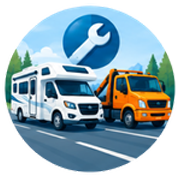
May provide towing or roadside services when this option is included in the policy.
Coverage availability, limits, deductibles, exclusions, and eligibility vary by insurer and policy. Review the actual policy documents for specific terms.
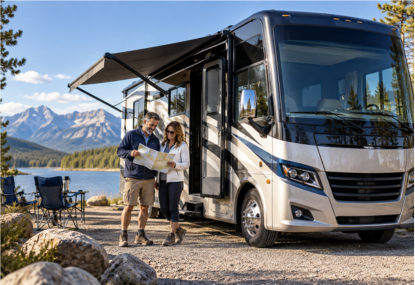
For owners of Class A, Class B, Class C, and other motorized RVs seeking coverage tailored to their recreational vehicle.
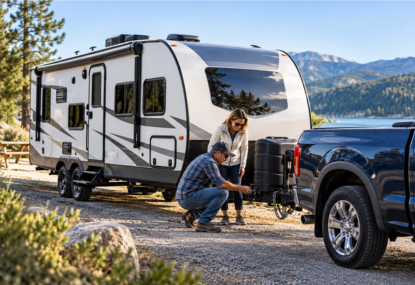
For owners who tow a travel trailer and need to understand how the trailer and tow vehicle are insured.
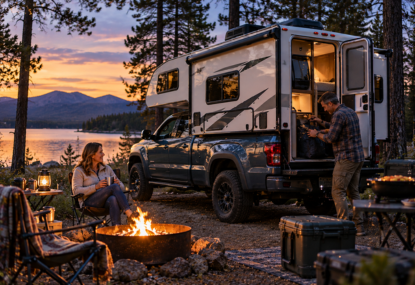
For owners of campers and other towable recreational units seeking coverage appropriate to their equipment and use.
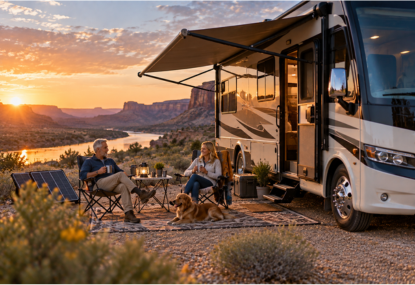
For people who spend extended periods traveling or living in an RV and may need coverage designed around that lifestyle.
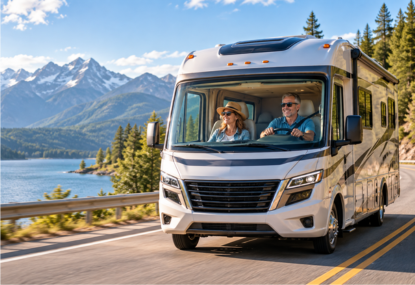
For RV owners who primarily use their RV for vacations, weekends, and seasonal trips.

For families using an RV for travel and recreation who want to protect the vehicle and eligible belongings.
Watch this short video to learn the basics of RV Insurance, common coverage types, and how to think about coverage based on the way you use your RV.
RV Insurance is coverage designed for recreational vehicles and the risks associated with owning, operating, towing, or using them. Exact protection depends on the RV, its use, and the policy selected.
Depending on the insurer and policy, coverage may be available for Class A, B, and C motorhomes, travel trailers, fifth wheels, campers, and other qualifying recreational vehicles.
Depending on the policy, coverage may include liability, collision, comprehensive losses, personal belongings, vacation liability, emergency expenses, and roadside assistance. Limits, exclusions, and deductibles vary.
A tow vehicle's auto policy does not automatically provide the same protection as a dedicated policy for a trailer or fifth wheel. Requirements and available coverage vary, so owners should confirm how their specific RV is insured.
Auto Insurance is generally designed for standard personal vehicles, while RV Insurance can address additional risks associated with recreational vehicles, including their size, equipment, use, and in some cases living or vacation-related exposure.
These are different methods that may be used to determine how a covered total loss is settled. Actual cash value generally considers depreciation, while agreed value uses a value agreed upon under the policy. Availability and conditions vary.
Some RV policies include or offer coverage for eligible personal belongings. Limits, exclusions, deductibles, and covered situations vary, so review the personal-property provisions of the policy.
OLPolicy can help you review coverage needs based on your RV, how you use it, and the protection you are looking for. An advisor can help you understand available options and policy differences before you choose coverage.


Copyright 2026 OLPolicy - All Rights Reserved.