 contact@olpolicy.com
 (866) 757-5350
Key message
Understand your coverage before you drive.

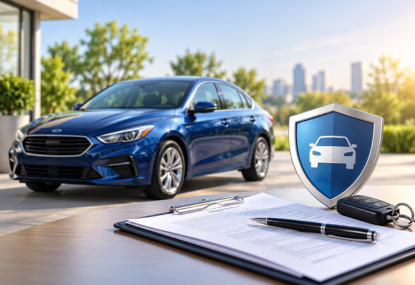
Auto Insurance helps provide financial protection when you are involved in a covered accident or other covered event. Depending on the policy, coverage may help with vehicle damage, injuries, property damage, and other eligible expenses.

Understand your coverage before you drive.
Understand your coverage before you drive.

Helps protect against unexpected covered expenses.
May help cover eligible costs when you are responsible for injury or property damage.
May help pay for covered vehicle damage after an accident or other covered event.

Know what your policy is designed to protect before you need it.

Choose coverage limits and deductibles that fit your needs and budget.

May provide roadside services when included in an eligible policy or endorsement.

Helps cover eligible injury or property-damage costs you are legally responsible for, subject to policy terms and limits.

May help pay to repair or replace your vehicle after a covered collision, subject to the deductible and policy terms.

May help protect against covered non-collision events such as theft, vandalism, or certain weather-related damage.

May help cover eligible medical expenses for you or your passengers, depending on the policy and state.

May help protect you when an at-fault driver has no insurance or not enough insurance, where available.

May provide services such as towing or help with a flat tire, lockout, or battery issue when included in the policy.

Protect your vehicle and help meet applicable insurance requirements.

Coordinate coverage for households with more than one driver or vehicle.

Consider coverage suited to regular driving and everyday road use.

Review required coverage and limits before getting on the road.

Lenders or leasing companies may require specific coverage levels.

Business use may require a commercial policy or additional coverage rather than a personal auto policy.
Watch this short video to learn more about Auto Insurance, common coverage types, and how coverage can help protect you on the road.
Auto Insurance is coverage designed to help protect you financially from covered accidents, vehicle damage, injuries, property damage, and other covered events, depending on the policy you choose.
Common coverage types include liability, collision, comprehensive, medical payments, uninsured/underinsured motorist coverage, and optional services such as roadside assistance. Availability varies by state and insurer.
Liability generally addresses eligible injury or property-damage costs you may be responsible for. Collision may cover damage to your vehicle from a covered collision. Comprehensive may cover certain non-collision events such as theft or vandalism.
It may help protect you when an at-fault driver has no insurance or does not have enough insurance to cover eligible losses. Availability and requirements vary by state.
Auto Insurance requirements vary by state. Many states require specified liability coverage, while some have different insurance or financial-responsibility rules.
Rates can be affected by factors such as driving history, location, vehicle characteristics, coverage limits, deductibles, mileage, claims history, and insurer-specific rating rules.
“Full coverage” is an informal term rather than a single standardized policy. It commonly refers to a combination of liability, collision, and comprehensive coverage, but exact protection depends on the policy.
OLPolicy can help you review Auto Insurance options and understand coverage features, limits, and deductibles available to you. Final coverage, eligibility, pricing, and policy terms are determined by the applicable insurer and state requirements.


Copyright 2026 OLPolicy - All Rights Reserved.