
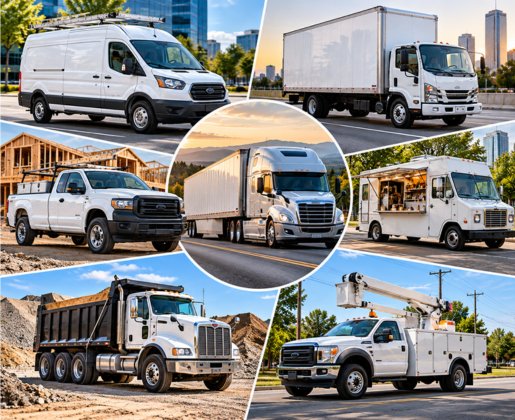
Commercial Auto Insurance is designed for vehicles used in business operations. It may help address covered losses involving eligible business vehicles and certain liability or physical-damage exposures, subject to the policy's terms, limits, deductibles, exclusions, and conditions.
Businesses may need commercial auto coverage when vehicles are used for deliveries, service calls, transporting business property, visiting job sites, or other work-related activities. The appropriate coverage depends on the vehicle, business use, drivers, and applicable insurance requirements.
Commercial auto insurance may be relevant to businesses that use vehicles as part of their operations, including:

Contractors and trades businesses.

Delivery and courier services.
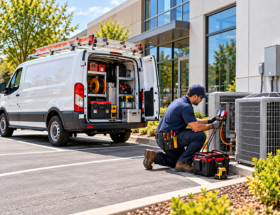
Service businesses that travel to customer locations.
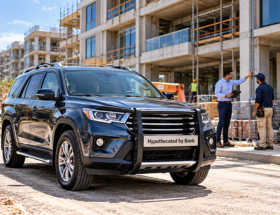
Real estate and property-management businesses.
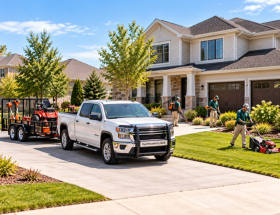
Landscaping, maintenance, and home-service businesses.
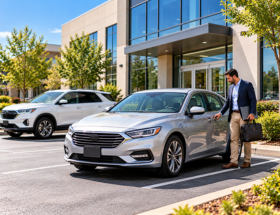
Businesses with company-owned cars, vans, pickups, or other commercial vehicles.
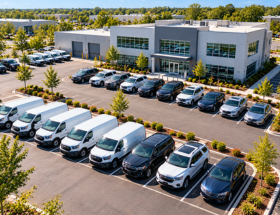
Businesses operating multiple vehicles or fleets.
Coverage varies by policy, but commercial auto insurance may include or offer options for:
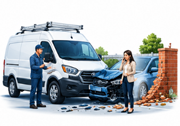
May help address certain third-party bodily injury or property-damage claims arising from a covered auto accident, subject to policy terms.
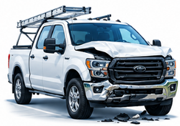
May help pay for covered damage to an insured vehicle resulting from a collision, subject to the applicable deductible and policy terms.
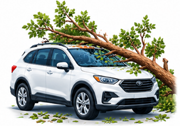
May help address certain covered non-collision losses, such as theft or specified types of damage, subject to policy terms.

May help with certain medical expenses resulting from a covered auto accident, where included and applicable.

May address certain exposures involving vehicles the business does not own, hire, or borrow, when the applicable coverage is included.
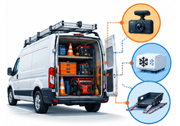
Additional endorsements or coverage options may be available based on the business and vehicle use.
Commercial vehicles may be used for:
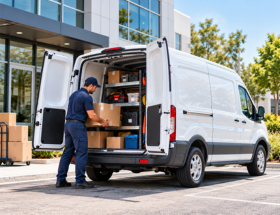
Vans and cargo vehicles for deliveries, equipment, or service work.
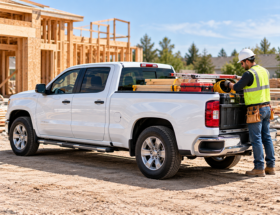
Pickup trucks for contractors, trades, landscaping, and field operations.
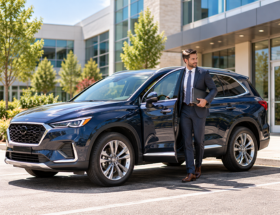
Cars and SUVs for business travel and customer visits.
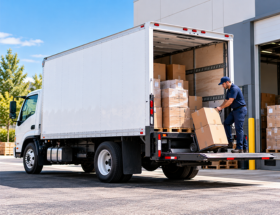
Box trucks for transporting business property or deliveries.
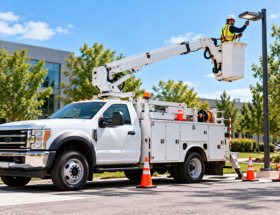
Specialized vehicles for qualifying business operations.
Not every policy includes every coverage. Limits, deductibles, exclusions, conditions, and eligibility apply.
These coverages can serve different commercial vehicle needs:
May cover eligible business vehicles used in business operations and may address liability and/or physical-damage exposures depending on the policy.
Designed for qualifying trucking and motor-carrier operations that may involve specialized vehicles, routes, cargo, filings, and regulatory or underwriting considerations.
May address certain business-related auto liability exposures involving vehicles the business does not own, hire, or borrow, when included and applicable.
A business may need one or more types of commercial auto-related coverage depending on its vehicles and operations.
Commercial Auto Insurance does not automatically address every business risk. Depending on the operation, separate or additional coverage may be needed for:

Workers' compensation.

General liability and other non-auto business liability exposures.
Cargo or goods-in-transit exposures.

Equipment breakdown or specialized equipment risks.

Professional liability.

Cyber and data-related risks.
Specialized trucking or industry-specific exposures.
Before selecting commercial auto insurance, consider:
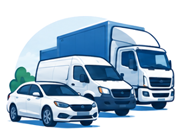
Cars, vans, pickups, trucks, or specialized vehicles.
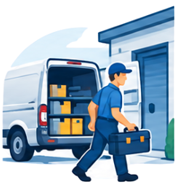
Delivery, service, contracting, transportation, sales, or other business use.
Who drives the vehicles, how they are used, and how frequently they are operated.
What liability limits and other coverage amounts may be appropriate.
Where vehicles operate, including territory and business-use patterns.
How applicable deductibles affect physical-damage coverage.
What the policy covers, excludes, or limits and whether additional endorsements may be appropriate.
OLPolicy can help you review your commercial auto needs and understand coverage options for your business.

Discuss your vehicles, drivers, operations, and business use.
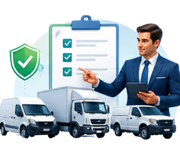
Review coverage options based on the risks and vehicles involved.

Move forward with an appropriate option once eligibility and coverage are reviewed.

Get assistance as your business, vehicles, and coverage needs change.
Watch this short educational video to learn what Commercial Auto Insurance is, who may need it, common coverage options, how it differs from specialized trucking coverage, and what business owners should consider.
Commercial Auto Insurance is designed for vehicles used in business operations. Depending on the policy, it may help address certain liability, physical-damage, and other commercial auto exposures. Coverage is subject to the policy's terms, limits, deductibles, exclusions, and conditions.
Businesses that use vehicles for work may need commercial auto insurance. Examples include contractors, delivery and courier businesses, service companies, property-management businesses, landscapers, home-service businesses, and companies with business-owned vehicles or fleets. Eligibility and coverage needs vary by operation.
Depending on the policy, commercial auto insurance may include auto liability and may offer physical-damage coverage such as collision and comprehensive. Other options, such as medical payments or hired and non-owned auto coverage, may also be available when applicable. Not every policy includes every coverage.
It depends on the operation and policy. Qualifying trucking and motor-carrier operations may require specialized Commercial Trucking Insurance because of their vehicles, routes, cargo, filings, regulations, or underwriting requirements. A business should review its operation before selecting coverage.
Start with your vehicles, business use, drivers, operating territory, cargo or equipment, and potential liability and physical-damage exposures. An insurance professional can help review these factors, available limits, deductibles, exclusions, and additional coverage options to determine what may be appropriate.
Every business uses vehicles differently. Talk with OLPolicy about your vehicles, drivers, operations, and the commercial auto coverage options that may be available for your business.


Copyright 2026 OLPolicy - All Rights Reserved.
 contact@olpolicy.com
 (866) 757-5350